
MacGregor and Tattoo Sailing on the Washington and British Columbia Coast
Discover the Pacific Northwest by Trailer Sailboat
MacGregor and Tattoo trailer sailboats are exceptionally well suited to exploring the Pacific Northwest. These versatile boats combine the pleasures of sailing with the flexibility of trailering, allowing owners to explore a remarkable variety of cruising grounds without having to sail all the way from home.
From the sheltered waters of Puget Sound and the San Juan Islands in Washington State to the Gulf Islands, Desolation Sound and the remote inlets of British Columbia’s Central and North Coasts, there is an almost endless choice of destinations.
One of the great advantages of owning a trailer sailboat is the freedom to choose where your next adventure begins. You can launch close to home for a weekend cruise, tow your boat to Vancouver Island for a longer holiday, or venture farther north to explore some of the most spectacular and less travelled cruising waters on the West Coast.
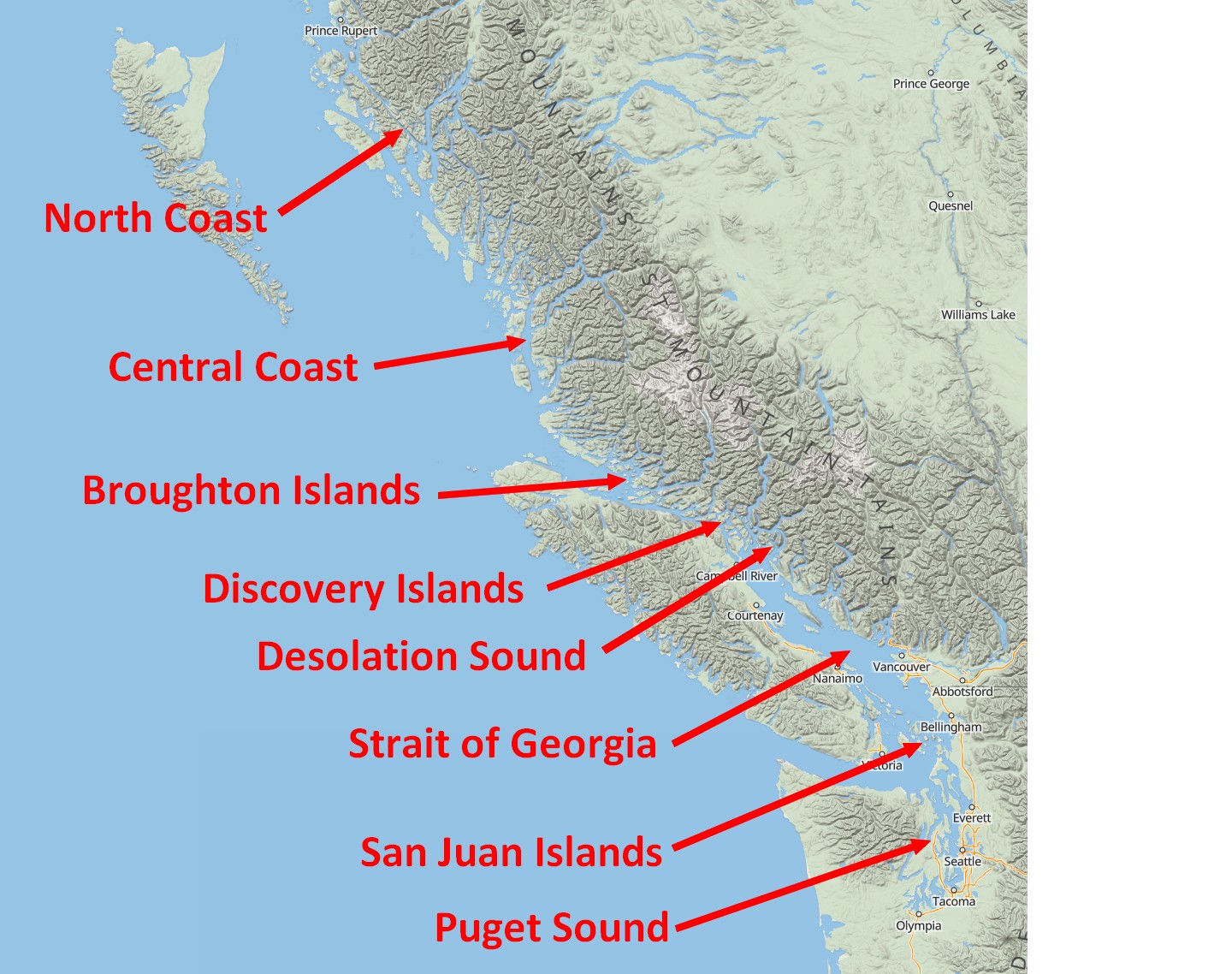
The Pacific Northwest offers breathtaking scenery, secluded anchorages, welcoming coastal communities, excellent marinas and countless opportunities for hiking and exploring ashore. Wildlife sightings may include eagles, seals, sea lions, porpoises, whales and, particularly in more remote areas, bears.
MacGregor sailboats have completed circumnavigations of Vancouver Island and made voyages as far north as Alaska in the hands of experienced skippers. However, many owners prefer the sheltered waters and island-hopping opportunities closer to home. There is plenty to explore without undertaking a major voyage.
For members of the MacGregor Yacht Club of British Columbia (MYCBC), these cruising grounds provide an ideal setting for individual adventures and club cruises alike.
1. Puget Sound, Washington
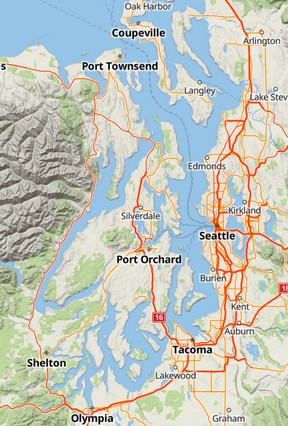
Puget Sound, south of the Canadian border, offers an extensive network of waterways, islands, bays and waterfront communities. Seattle is the regions best known city, but much of the attraction for cruising sailors lies in the smaller communities and quieter anchorages beyond the urban waterfront.
Bainbridge Island is a particularly enjoyable destination, with waterfront scenery, shops, restaurants and opportunities to explore ashore. It is also famous as the birthplace of pickleball, which was invented there in 1965.
The region offers a mixture of sheltered cruising, busy urban waterways and more peaceful destinations. There are many places to stop for a meal, walk ashore or spend a quiet night at anchor.
Puget Sound is a good choice for sailors who enjoy combining time on the water with visits to interesting towns and waterfront communities.
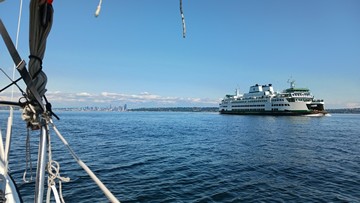
Suggested launch point: Everett, Washington, provides access to the northern part of Puget Sound. Other launch locations may be more convenient depending on your intended destination.
Why trailer here? You can spend your holiday exploring Puget Sound rather than using several days of sailing time to reach it from British Columbia.
2. The San Juan Islands
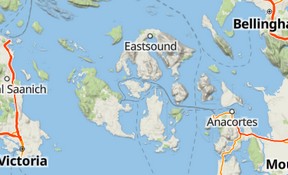
The San Juan Islands are among the most popular cruising destinations in the Pacific Northwest, and for good reason. The islands offer beautiful scenery, protected anchorages, hiking trails and small waterfront towns with marinas, restaurants and other services.
Popular destinations include Friday Harbor on San Juan Island, Roche Harbor and the smaller islands and bays scattered throughout the archipelago. Each offers a different experience, from lively marinas to peaceful anchorages surrounded by forested shorelines.
The islands are well suited to the island-hopping style of cruising that makes trailer sailboats so enjoyable. You can spend a few days exploring a small area or use a longer holiday to visit several islands.
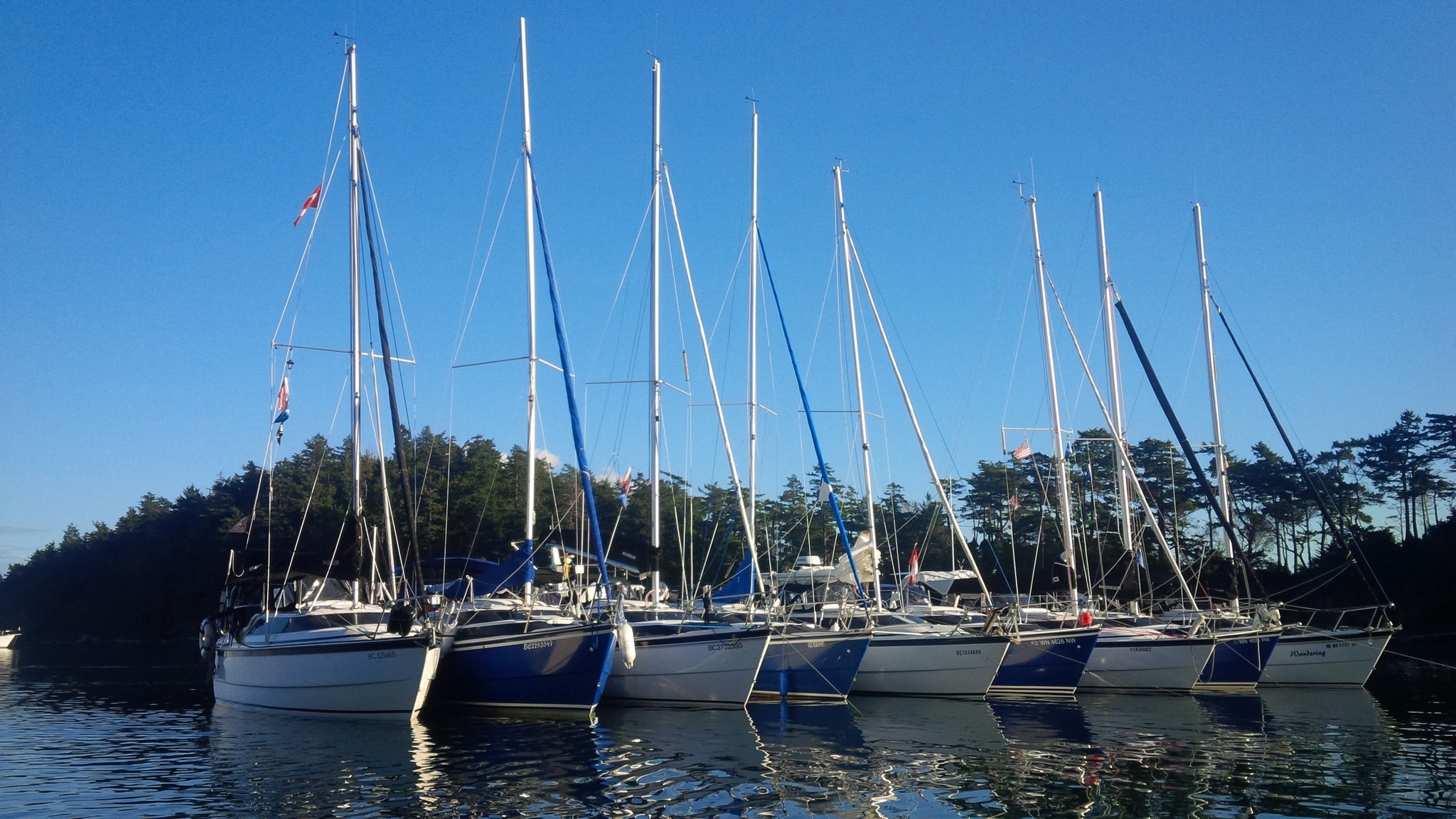
Although the islands offer many protected places to anchor, currents can be strong in some passages, and conditions can change with wind and tide. Careful route planning is important, particularly when crossing between islands.
Suggested launch points: Bellingham and Blaine, Washington.
Trailering to one of these locations can give you more time to enjoy the islands instead of making the entire journey under sail or power from Vancouver area waters.
3. The Strait of Georgia and the Gulf Islands
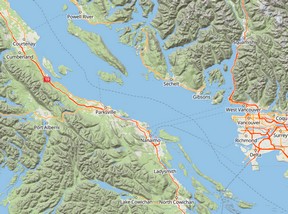
The Strait of Georgia and the Gulf Islands are the heart of the MYCBC cruising area. With the club based in the Vancouver region, these waters are familiar territory for many members and offer excellent opportunities for weekend outings, extended holidays and organized club cruises.
There are destinations close to Vancouver, including Bowen Island and Gibsons on the Sunshine Coast. Crossing the Strait of Georgia opens up the Gulf Islands and the eastern shore of Vancouver Island, where numerous islands, coves and sheltered anchorages await.
The Gulf Islands are often considered in two groups: the Southern Gulf Islands, south of Nanaimo, and the Northern Gulf Islands farther north.
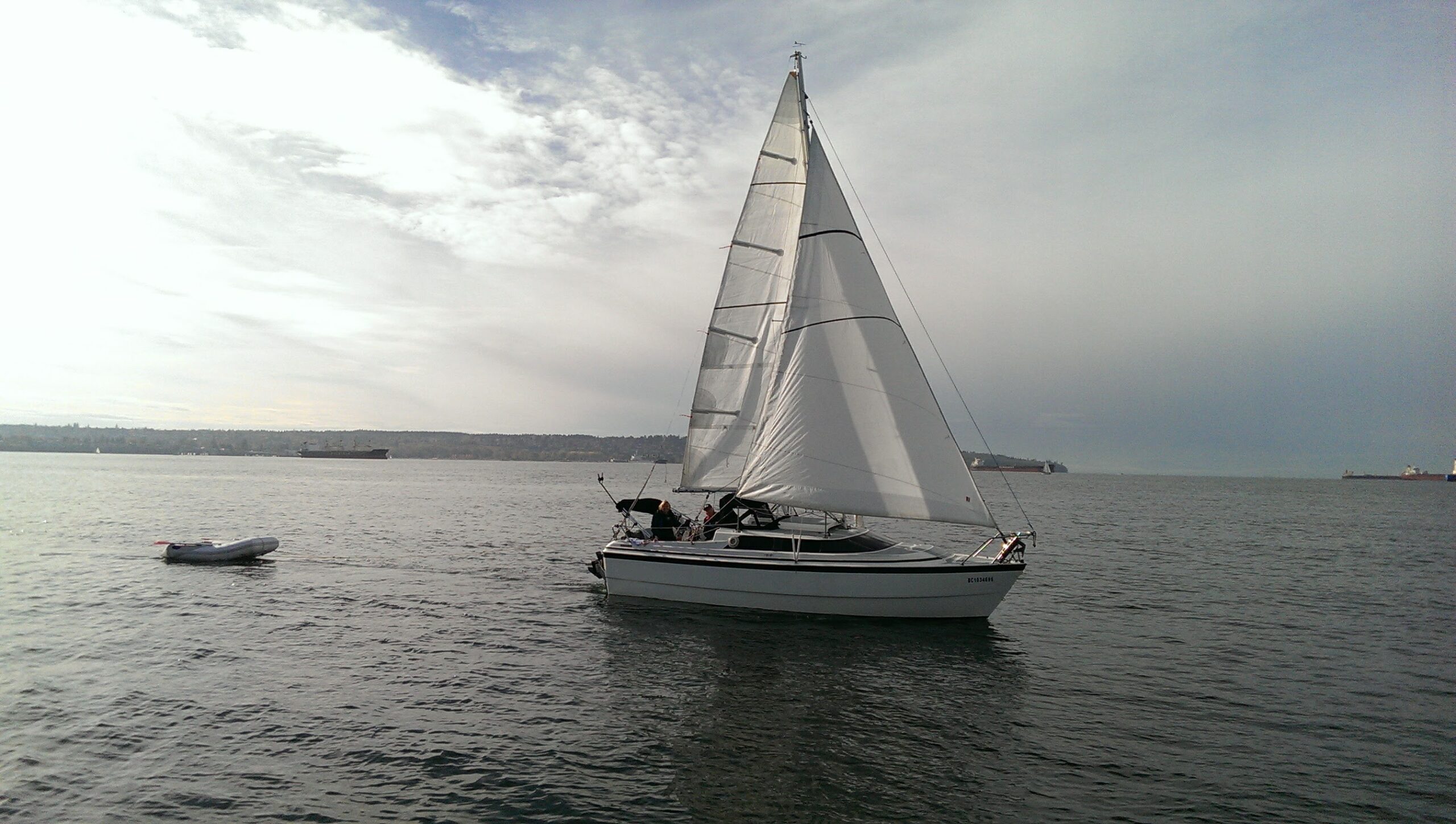
The Southern Gulf Islands include well known destinations such as Galiano, Mayne, Pender and Salt Spring islands. They offer marinas, small communities, walking trails, hikes, local markets and attractive anchorages. The Northern Gulf Islands provide further opportunities to explore quieter bays and less developed shorelines.
One of the pleasures of cruising here is the variety. You can visit a marina for dinner and supplies one evening, then spend the next night anchored in a quiet bay surrounded by trees and rocky shorelines.
For MYCBC members, this is an ideal area for sailing with and meeting fellow sailors, sharing local knowledge and participating in club cruises.
Suggested launch points: MacDonald Beach in Richmond, Steveston, Ladner, Rocky Point in Port Moody, Cates Park in North Vancouver, and Blaine, Washington.
Check launch ramp access and parking arrangements and operating conditions before departure, as facilities vary.
4. Desolation Sound
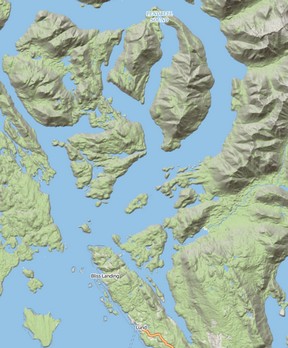
For many cruising sailors, Desolation Sound is one of the outstanding destinations on the British Columbia coast.
Located north of the Sunshine Coast, this spectacular cruising area is surrounded by steep, forested mountains, deep inlets and countless sheltered anchorages. The scenery is magnificent, with high mountain peaks rising above the water and a feeling of being far removed from the busy cities to the south. Take time to read the books “The Curve of Time” and “Following the Curve of Time” before or while visiting to learn more about the interesting history of the area.
Desolation Sound is particularly famous for its relatively warm summer seawater. In sheltered bays, the water can become warm enough for comfortable swimming, making it a favourite destination for summer cruising families.
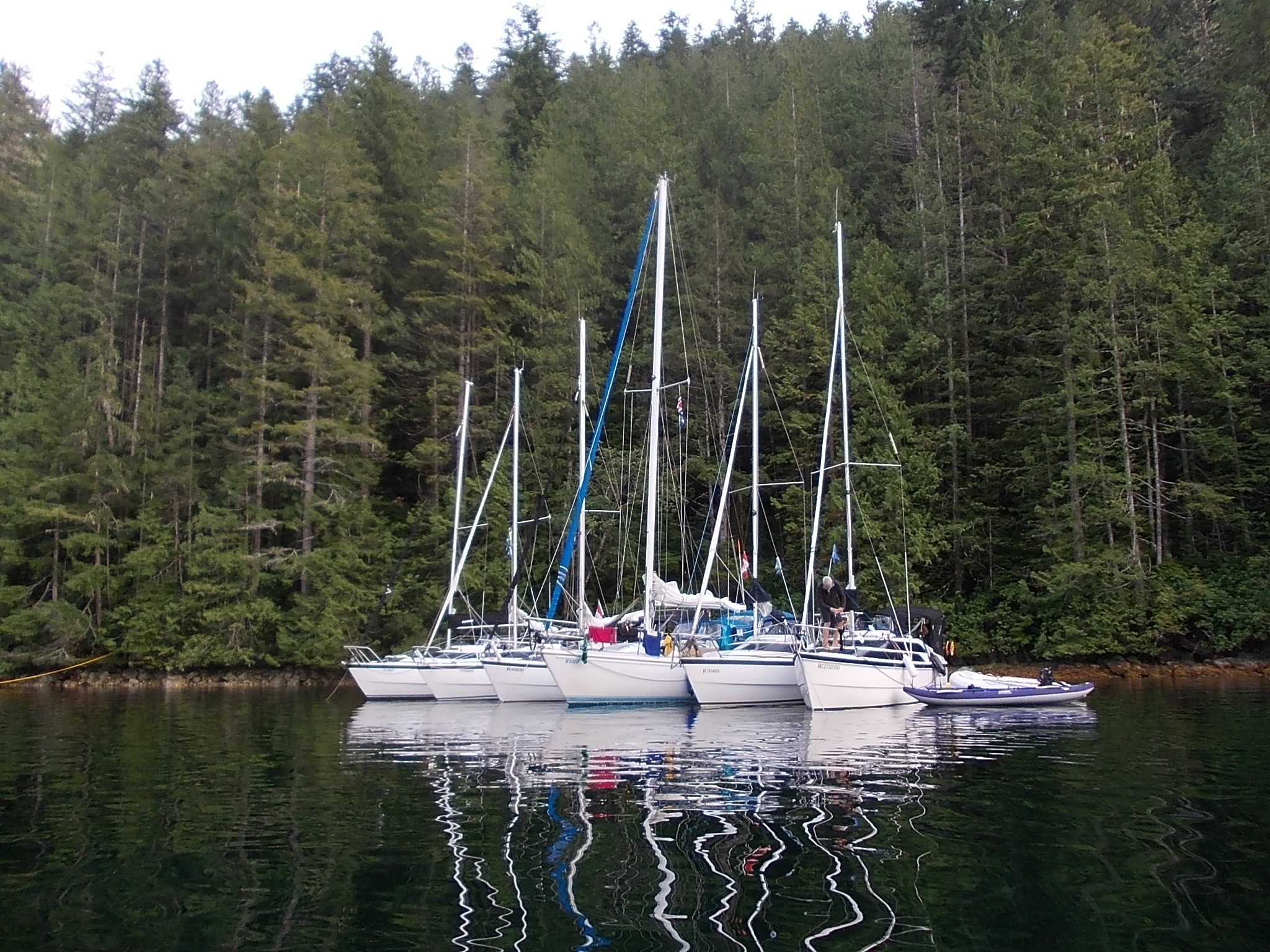
There is plenty to do beyond sailing. Many anchorages provide access to hiking trails, while others are perfect for spending a quiet afternoon swimming, kayaking or simply enjoying the scenery from the boat.
Refuge Cove is a useful stop for supplies and a popular destination for visiting boaters. During the summer Desolation Sound can become busy, especially in its best known anchorages, but there are enough places to explore that it is still possible to find quieter spots.
Suggested launch points: Vancouver area ramps used for Strait of Georgia cruises, or locations farther north such as Campbell River on Vancouver Island and Lund on the Sunshine Coast.
Trailering to Lund or Campbell River can save a considerable amount of travel time and put you closer to the cruising grounds. From Lund, you can explore the nearby waters and work your way north. Campbell River provides another option for reaching the northern Strait of Georgia and adjacent cruising areas.
5. The Discovery Islands
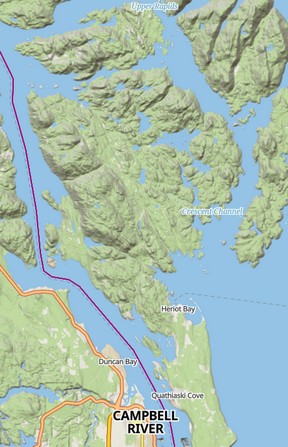
Situated around the waterways between Vancouver Island and the mainland, the Discovery Islands offer another remarkable cruising area. They are close to Desolation Sound but have their own character, with intricate passages, forested islands and a mixture of sheltered anchorages and challenging tidal waters.
The Octopus Islands area is a favourite destination for many boaters. Its large, sheltered anchorages and attractive surroundings make it an excellent place to spend time at anchor and explore by dinghy or kayak.
From the Octopus Islands area, a hike can take you to Newton Lake, where the clear freshwater provides a refreshing alternative to the ocean.
The Discovery Islands also provide opportunities to explore the surrounding passages and smaller communities. However, the area requires careful planning because strong tidal currents and rapids occur in several locations. Timing your passages around the tides is an important part of cruising here.
For trailer-sailboat owners, Campbell River offers an excellent starting point for exploring the Discovery Islands and connecting with the northern Gulf Islands and Desolation Sound.
6. The Broughton Archipelago
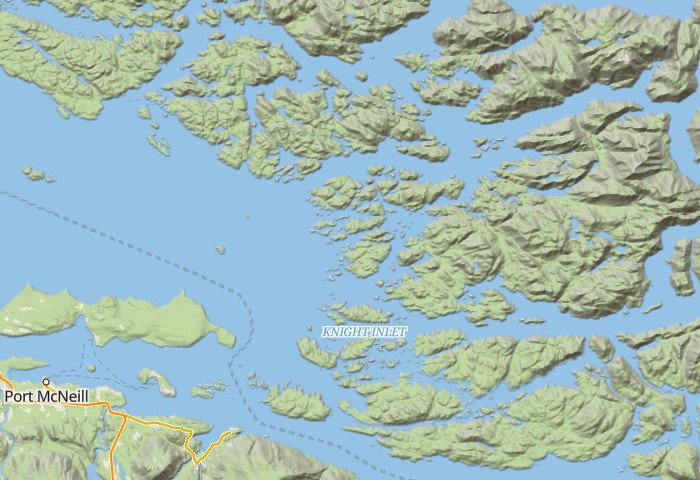
The Broughton Archipelago, near the northeastern end of Vancouver Island, offers a more remote cruising experience. It is a favorite among sailors who enjoy secluded anchorages, wildlife, coastal history and the feeling of travelling beyond the more heavily visited southern cruising grounds.
There are two broad approaches from southern cruising areas: the more exposed route through Johnstone Strait, or the network of inside passages that includes narrow waterways and tidal rapids. Both offer spectacular scenery, but the route must be chosen with care. Strong currents, changing weather and exposed stretches make planning essential.
For MacGregor and Tattoo owners, trailering offers a particularly attractive alternative. Rather than sailing the entire distance from the Vancouver area, you can tow your boat to northern Vancouver Island and launch closer to the Broughtons.
Port McNeill is a practical base with all services within easy walking distance from the marina. Telegraph Cove is another familiar destination in the area, although its current launch and trailer-parking arrangements should be confirmed before planning to use it as a starting point.
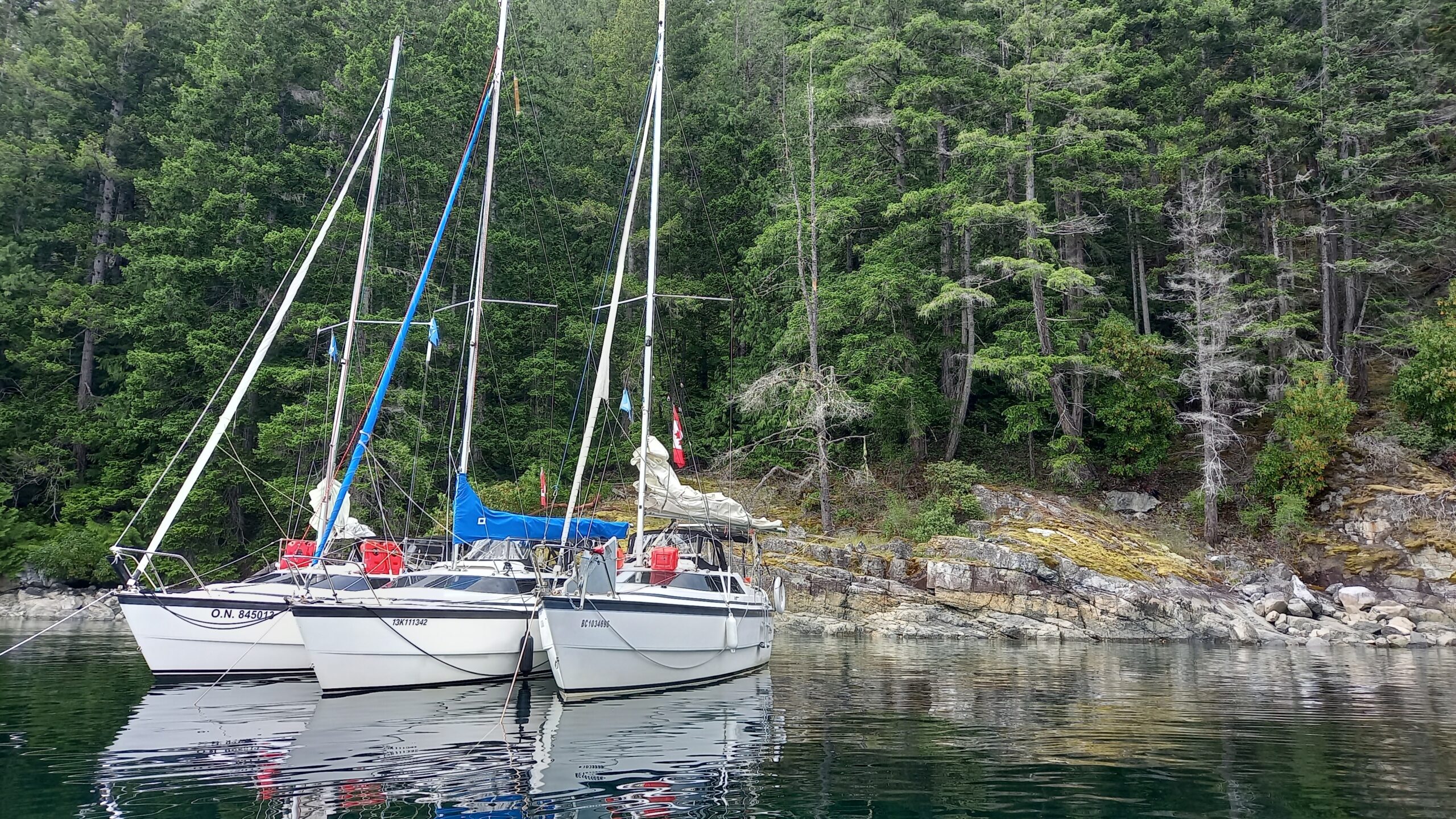
Once there, you can spend a week or two exploring the islands, visiting remote communities and enjoying the scenery at a relaxed pace. The Broughtons generally feel more remote and less crowded than Desolation Sound.
The water is considerably colder than in Desolation Sound, so swimming is less appealing for most people. Wildlife and coastal history are major attractions, and the region offers plenty of opportunities to enjoy the natural environment.
If you are interested in the history of this coast, seek out the books written by the late Billy Proctor, the well-known Broughton Archipelago fisherman, naturalist and storyteller. His books provide a wonderful introduction to the people, history and character of the area.
Suggested launch points: Port McNeill and, subject to current facility arrangements, Telegraph Cove.
7. The Central Coast of British Columbia
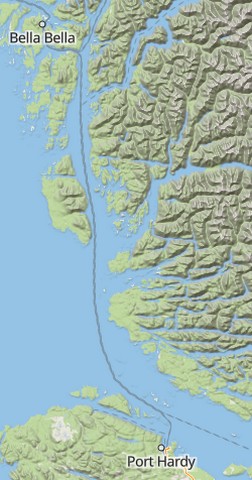
Safety: Northern routes required careful planning for tides, currents, weather windows, cold water and the limits of trailer sailboat capabilities.
North of Vancouver Island lies an extensive and comparatively remote cruising region. Reaching the Central Coast from the southern coast involves rounding Cape Caution, a stretch that deserves particular respect because of its exposure to Pacific swell, wind and changing weather.
This is one of the places where trailer sailing can make a tremendous difference. Launching at Port McNeill or Port Hardy allows you to begin much closer to the northern cruising grounds, although a substantial passage remains before reaching many Central Coast destinations.
Beyond Cape Caution, the coastline opens into a vast network of inlets, islands, bays and anchorages. There are opportunities for wilderness cruising, wildlife viewing, fishing and exploring places that see far fewer visitors than the southern coast.
Shearwater is an important stop for boaters in the region, offering marina facilities and services that make it a useful place to replenish supplies and prepare for further exploration.
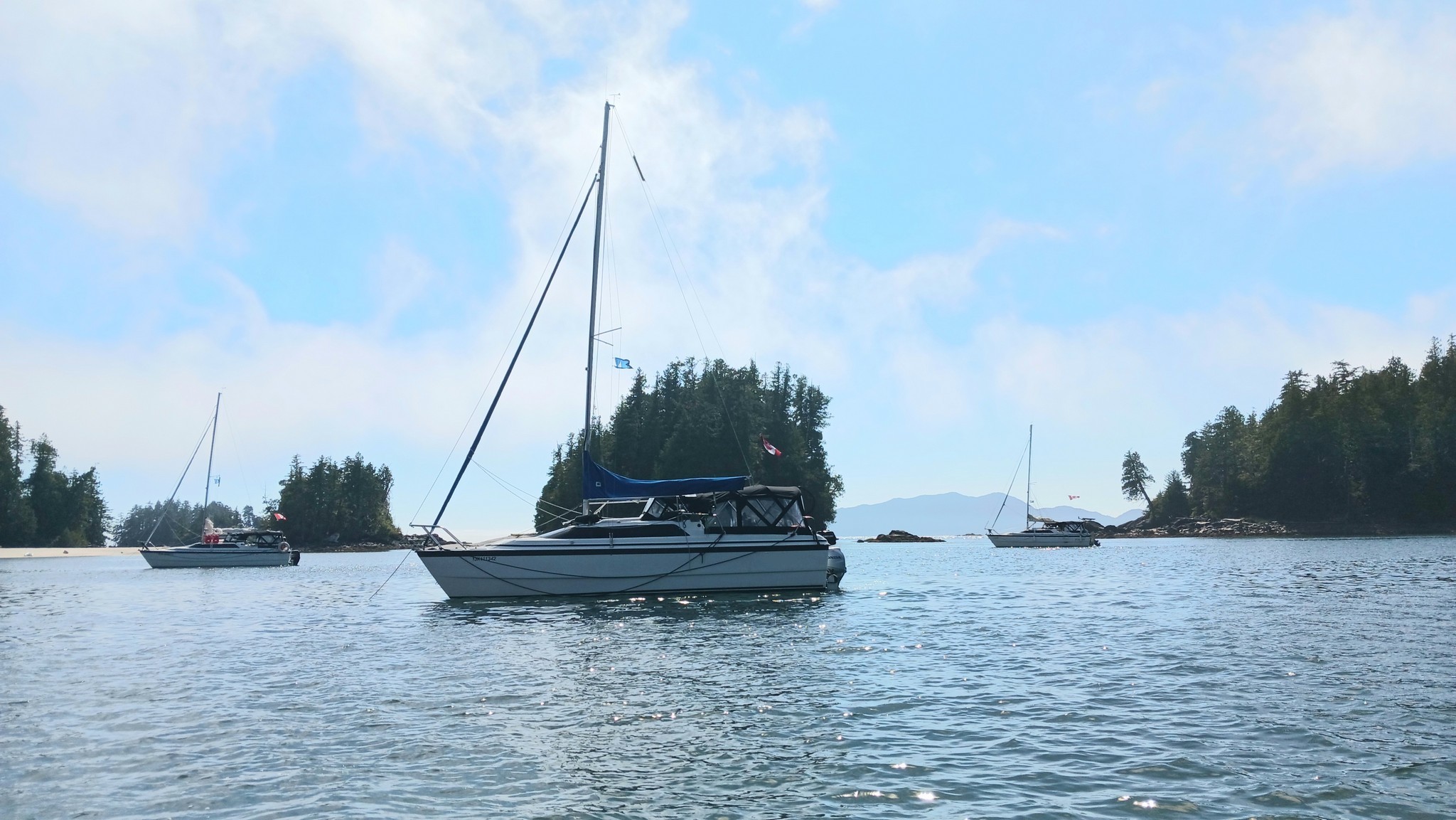
The waters around Hakai Lúxvbálís Conservancy are another major attraction. This protected area encompasses an extraordinary combination of islands, beaches, forests and marine environments. Some shorelines have long sandy beaches, making them quite different from the rocky, forested anchorages found elsewhere along the coast.
The Central Coast is best suited to sailors who have time for careful planning, are comfortable with remote cruising and have a trailer sailboat that is equipped and maintained for going to remote areas. Weather windows, fuel, provisions, communications and contingency plans become increasingly important as facilities grow farther apart. The MYCBC website includes presentations and tips for cruising in these areas.
Suggested launch points: Port Hardy and Port McNeill on northern Vancouver Island.
These locations provide useful starting points for a northern expedition, but the remaining distance, route and conditions should be considered carefully before departure.
8. The North Coast and the Waters Near Prince Rupert
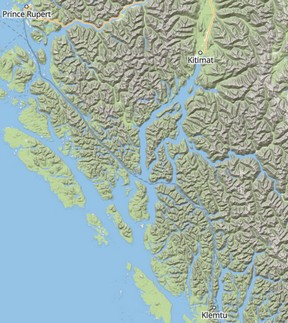
Farther north, the British Columbia coast becomes increasingly remote, with dramatic fjords, steep mountain slopes, forested islands and long stretches of wilderness shoreline.
The North Coast offers some of the most spectacular scenery in the province. In many fjords and inlets, mountains rise almost directly from the water, creating a landscape that feels very different from the more open island cruising grounds farther south.
Wildlife is an important part of the experience. Depending on the location and season, sailors may encounter whales, porpoises, seals, sea lions, eagles and bears along the shoreline.
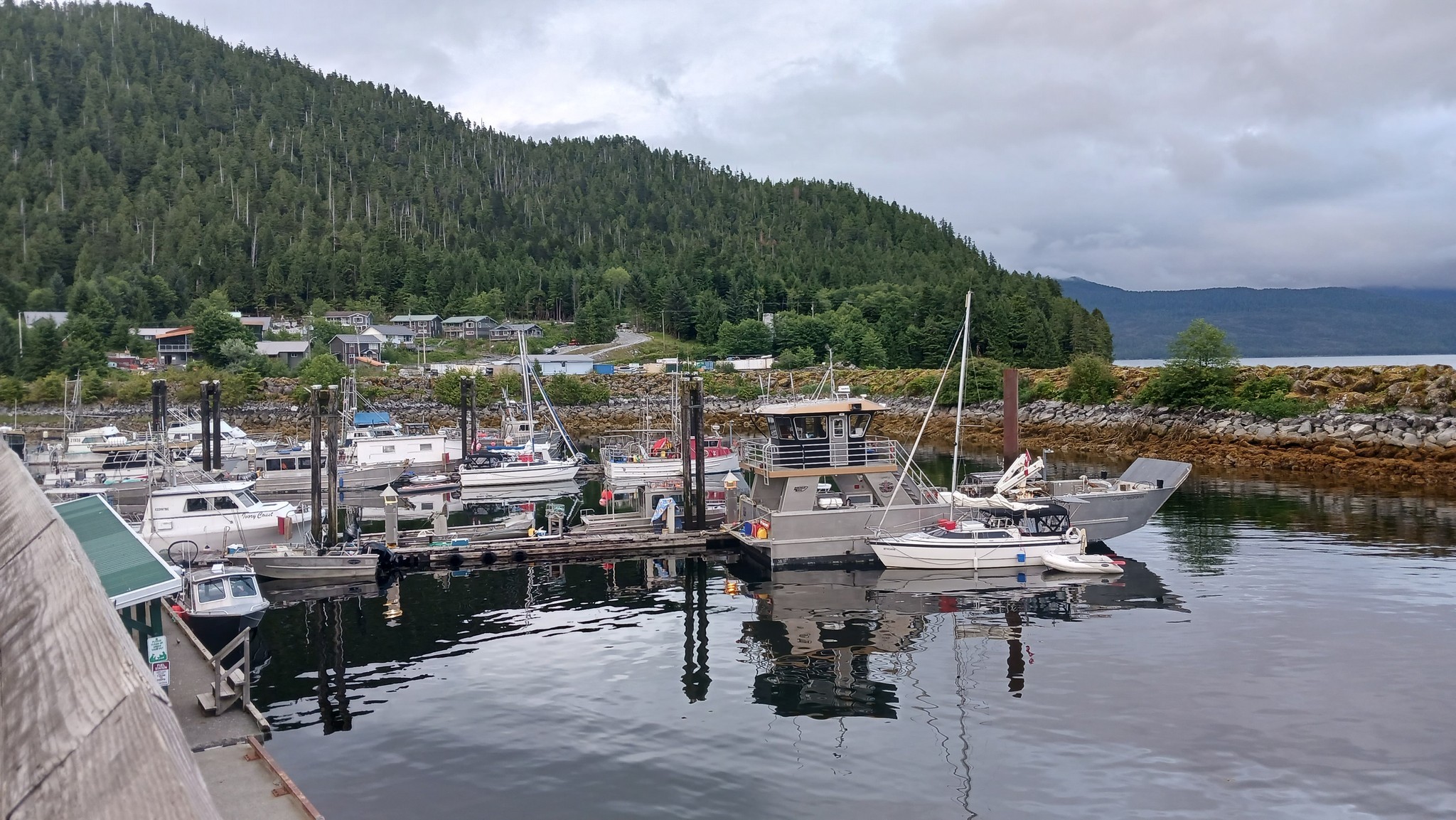
The region also has a number of hot springs and opportunities to visit small coastal communities. Hartley Bay is a particularly interesting destination with its community connected by boardwalks and local transportation adapted to the setting.
The North Coast can be explored as an extension of the Central Coast on a longer cruise. An alternate option is to launch at a northern location.
Suggested launch point: Kitimat for exploring Douglas Channel and the adjoining inside waterways.
The North Coast requires more preparation than the southern cruising grounds. Distances between services can be considerable, weather can change quickly, and cold water is a serious safety consideration throughout the year.
For experienced sailors seeking solitude, dramatic scenery and a true wilderness cruising experience, this region can be extraordinarily rewarding.
Why a Trailer Sailboat Is Ideal for Exploring the Pacific Northwest
The Pacific Northwest is so extensive that it can take a long time to reach some destinations by water alone. A trailerable MacGregor or Tattoo offers an alternative: choose a suitable launch site, tow the boat there and start exploring closer to your intended cruising grounds.
This flexibility opens up several possibilities:
- Weekend adventures: Launch close to home and enjoy the Gulf Islands or nearby waters without a long passage.
- Longer summer holidays: Tow to northern Vancouver Island and spend more time exploring the Broughtons or other northern destinations.
- Explore new cruising grounds: Visit Washington State, the Discovery Islands or other unfamiliar areas without committing to a long voyage from home.
- Make the most of limited vacation time: Spend more days exploring and fewer days travelling to and from a distant destination.
MacGregor and Tattoo boats are versatile, but trailerability does not remove the need for proper preparation. Confirm that your vehicle and trailer are suitable for the boat, check the launch facilities and parking arrangements, and plan your route according to the vessel’s capabilities, weather, tides and currents.
The more remote the destination, the more important it becomes to plan fuel, provisions, communications, safety equipment and alternative routes.
Join MYCBC and Discover the Coast
One of the best ways to learn about cruising the Pacific Northwest is to meet and talk with people who have already explored it.
The MacGregor Yacht Club of British Columbia brings together owners who enjoy sailing, sharing knowledge and discovering new destinations. Club members can exchange local knowledge, learn from one another’s experience and find opportunities to participate in cruises and other activities.
Whether you are planning your first weekend sail in the Gulf Islands or dreaming of a longer expedition to the Broughtons or the Central Coast, there is a great deal to discover.
Explore the benefits of membership: Why Join MYCBC?
Do you have more questions about the MYCBC club? Check out the frequently asked questions page
You can also visit the MYCBC website for information about the club, membership and activities.
The Pacific Northwest has enough islands, inlets, anchorages and coastal communities to keep trailer-sailboat owners exploring for years. With a MacGregor or Tattoo, the next adventure can begin wherever you choose to launch.


